
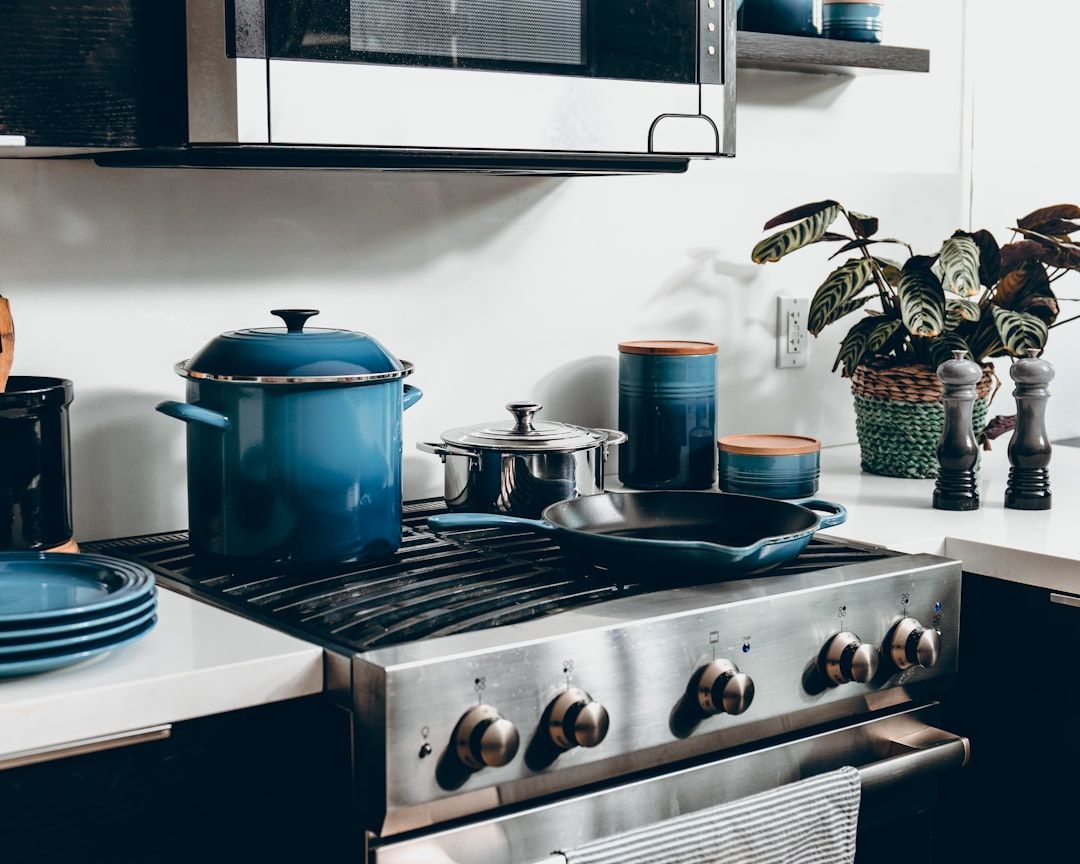
Discover the best appliances for Florida homes. Expert tips on humidity, heat, and energy efficiency to help you choose smart for the Sunshine State.
Choosing Appliances That Actually Hold Up in Florida
Living in Florida is unlike anywhere else in the country. The heat is relentless, the humidity is punishing, and your appliances feel every bit of it. A refrigerator that works perfectly in Ohio can struggle to maintain consistent temperatures here when your kitchen hits 85 degrees in the summer. If you've moved to Florida recently or you're building a new home, the appliances you pick can make a real difference in your comfort, energy bills, and how often you're calling for repairs.
Why Florida's Climate Changes Everything
Most appliance ratings you see on the box are tested in controlled environments — usually around 70°F with moderate humidity. Florida's average summer humidity regularly sits above 80 percent, and indoor temperatures in unconditioned spaces like garages or laundry rooms can push past 90°F. That puts serious stress on compressors, motors, and electronic controls. In many homes, we see refrigerators and freezers in garages fail within three to four years simply because they weren't rated for high-ambient temperatures.
The fix isn't always expensive. It's about knowing what to look for before you buy.
Refrigerators: Go for High-Ambient Ratings
If your refrigerator sits in an air-conditioned kitchen, a standard model will usually work fine. But if you're adding a second fridge or freezer in a garage or utility room, look specifically for models rated to operate in temperatures up to 110°F. Brands like Gladiator and certain GE models offer garage-ready units built with stronger compressors and better insulation.
One common mistake we see is homeowners buying a standard chest freezer for the garage during a sale, only to find it's not keeping food frozen by July. The compressor simply can't compensate for the surrounding heat. Spending a little more upfront on the right unit saves you hundreds in food loss and a service call.
Air Conditioners and Mini-Splits: Size Matters More Than Brand
Florida homeowners run their AC systems roughly nine months out of the year. That's not an exaggeration. Because of this, proper sizing and SEER ratings are critical. A unit with a SEER2 rating of at least 16 is a smart baseline for Florida, but 18 or higher will noticeably cut your monthly energy costs in a state where electricity bills can spike past $300 in summer.
Mini-split systems have become increasingly popular for Florida additions, sunrooms, and converted garages. They give you zone control, they're quieter than window units, and they handle humidity better than most people expect. If you're adding living space to your home, a mini-split is almost always the smarter call over extending your existing ductwork.
Don't Overlook the Air Handler Location
In many Florida homes, air handlers are installed in attics. This is fine during construction, but attic temperatures can exceed 140°F in summer, which forces the system to work harder and shortens its lifespan. If you're replacing your system, ask your HVAC contractor about relocating the air handler to a conditioned closet or interior space. It's not always possible, but when it is, the efficiency gain is significant.
Washing Machines and Dryers: Watch Out for Mold
Florida's humidity creates a perfect environment for mold growth inside front-load washers. We see this constantly — a homeowner notices a musty smell in their laundry room and assumes it's the drain, but it's actually mold growing inside the door gasket of their front-loader. If you prefer front-load machines, commit to leaving the door cracked after every cycle and wiping the gasket weekly. If that sounds like too much maintenance, a top-load


