
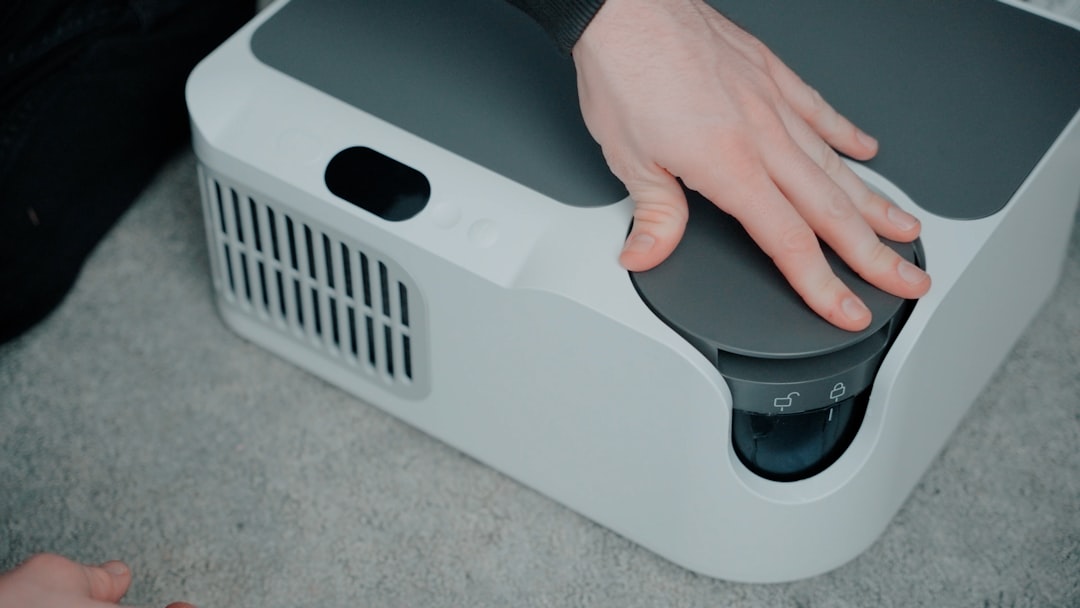
Struggling with allergies at home? Discover the best air purifiers for allergies in 2026 and what features actually make a difference indoors.
If you suffer from seasonal allergies, pet dander sensitivities, or year-round indoor allergens, a quality air purifier can make a real difference in how you feel at home. But with so many options flooding the market in 2026, it can be hard to know which ones are worth the investment and which are just marketing hype. This guide breaks down exactly what to look for and highlights the types of air purifiers that are delivering real results for allergy sufferers across the country.
Why Air Purifiers Matter for Allergy Sufferers
Indoor air can actually be more polluted than outdoor air, especially in tightly sealed homes with poor ventilation. Common allergy triggers like dust mites, mold spores, pollen, and pet dander circulate freely through the air you breathe every day. An effective air purifier traps these particles before they settle in your lungs or on surfaces, reducing symptoms like sneezing, itchy eyes, and congestion significantly over time.
The key is choosing a purifier that is designed specifically to handle fine particles, not just dust and odors. Many cheap models filter only larger debris and do little for microscopic allergens that cause the most harm.
The Most Important Features to Look For in 2026
True HEPA Filtration
This is non-negotiable for allergy relief. A True HEPA filter captures 99.97 percent of airborne particles as small as 0.3 microns, which includes most pollen, mold spores, and pet dander. Be cautious of products labeled "HEPA-type" or "HEPA-like," as these do not meet the same standard and often let smaller particles pass through.
CADR Rating and Room Coverage
The Clean Air Delivery Rate, or CADR, tells you how quickly a purifier can clean air in a given space. For 2026 models, look for a CADR of at least 200 for rooms 200 to 300 square feet, and higher for larger living areas. Matching the purifier to your room size is critical. Running a small unit in a large bedroom will not give you the relief you are looking for.
Activated Carbon Layer
Many allergens come with odors, including pet smells and mold. A purifier with an activated carbon pre-filter handles odors and volatile organic compounds while the HEPA layer handles particles. This two-layer approach is a strong combination for households with pets or musty spaces.
Smart Features and Air Quality Sensors
Top-rated purifiers in 2026 now come equipped with real-time air quality sensors that automatically adjust fan speed based on current particle levels. This is especially useful during allergy season when outdoor pollen drifts indoors through open doors and windows. Some models connect to smartphone apps, allowing you to monitor your indoor air quality throughout the day without checking the unit manually.
Best Placement Strategies for Maximum Relief
Even the best air purifier will underperform if it is placed incorrectly. For allergy sufferers, placing a unit in the bedroom is the highest priority since you spend roughly a third of your life sleeping. Run it continuously on a low or medium setting rather than only at night, since allergen levels build up gradually throughout the day.
Living rooms and home offices are the next most important spaces, particularly if you have pets that spend time in those areas. Avoid placing units in corners or behind furniture where airflow is restricted. Central placement or near doorways tends to produce the best results.
What to Avoid When Shopping
Ionic air purifiers and ozone generators are still being marketed aggressively,


