
Repair technicians share which home appliances last over 20 years, what keeps them running, and the simple mistakes that cut their lifespan short.
Some Appliances Are Built to Go the Distance — If You Let Them
Every week, technicians walk into homes where a perfectly repairable appliance gets tossed out too early. On the flip side, they also see ancient machines still running strong decades after purchase. The difference almost always comes down to two things: the type of appliance and how it was maintained. After years of hands-on repair work, certain patterns become impossible to ignore.
The Appliances Most Likely to Hit the 20-Year Mark
Gas Ranges and Wall Ovens
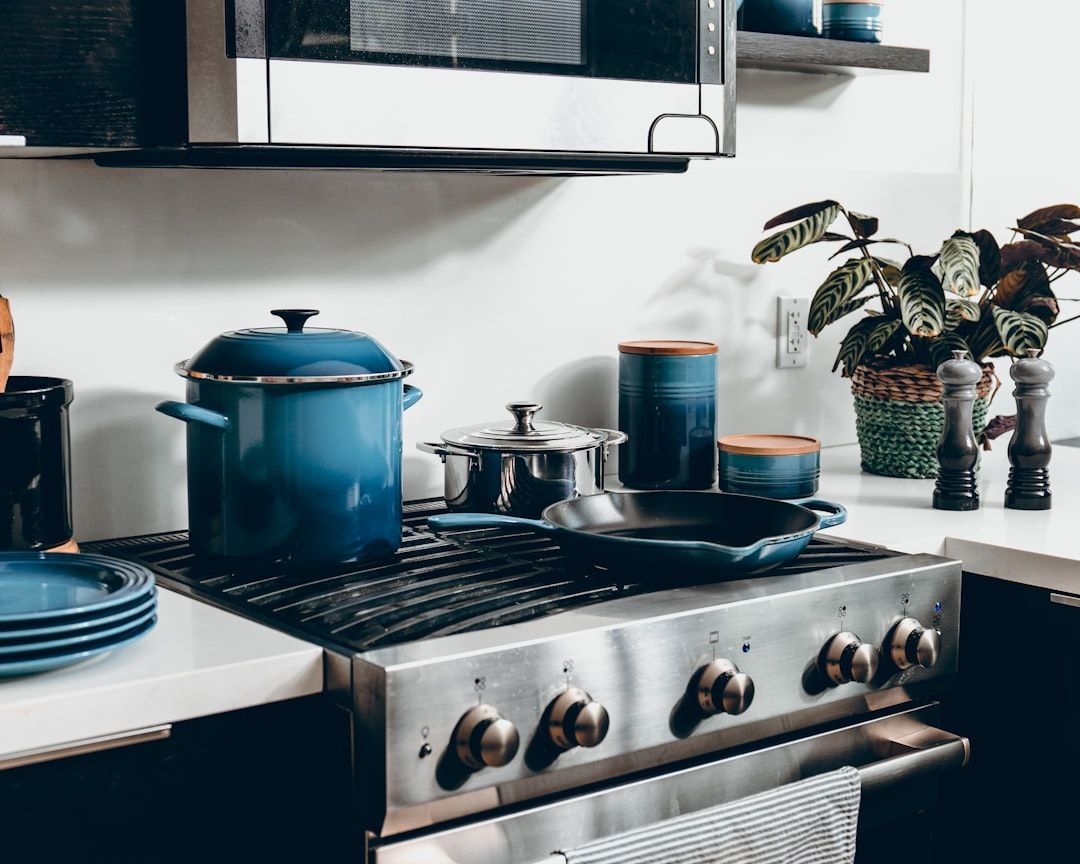
Gas ranges are workhorses. A quality gas range — especially one without a lot of electronic components — can easily last 25 to 30 years with basic care. The simpler the ignition system, the longer it tends to hold up. In many homes, we see 1990s-era gas ranges still cooking daily with nothing more than a cleaned burner port and the occasional igniter swap. The mistake most people make is neglecting the burner grates and letting grease build up around the ignition areas, which eventually causes misfiring and corrosion.
Chest Freezers
If there's one appliance that consistently outlives everything else in a home, it's the chest freezer. These units have minimal moving parts — essentially a compressor, a thermostat, and a sealed cabinet. No defrost heater cycling on and off, no ice maker creating wear points. A well-maintained chest freezer can last 20 to 25 years without major issues. The only real killer is poor ventilation around the unit or a coil that never gets dusted. One technician recalled a chest freezer from 1987 still holding temperature in a customer's garage — the only service it had ever needed was a door gasket replacement.
Dishwashers — The Right Kind
Not all dishwashers age equally. Mid-range models from brands known for mechanical simplicity tend to outlast high-tech units packed with sensors and touchscreen panels. A straightforward spray arm and pump assembly with a reliable door latch can keep a dishwasher running 15 to 20 years easily. The number one issue that shortens dishwasher life prematurely? Hard water. Calcium deposits slowly restrict spray arms and clog the pump. Running a descaling cleaner every few months makes a real difference, and it's something most homeowners completely skip.
Washing Machines — Top Load vs. Front Load
Traditional top-load washers with an agitator have a strong reputation for longevity. They're mechanically straightforward, parts are widely available, and a good technician can keep one running for 20+ years without trouble. Front-load washers offer better efficiency but come with more complexity — door boot seals, bearing issues, and mold problems in the drum if the door is kept closed. In many homes, we see front-loaders fail around the 8 to 10-year mark due to bearing wear, while an older top-loader in the same house keeps going. That doesn't mean front-loaders are bad — it just means they need more attentive care. Leaving the door cracked open after every cycle eliminates most of the moisture-related problems.
What Actually Kills Appliances Early
The honest answer is usually neglect, not age. Clogged dryer vents are one of the leading causes of premature motor failure in dryers — and a fire hazard on top of that. Refrigerators with dirty condenser coils run hot and burn out compressors years ahead of schedule. A simple annual appliance maintenance routine can add five or more years to most machines in your home.


