
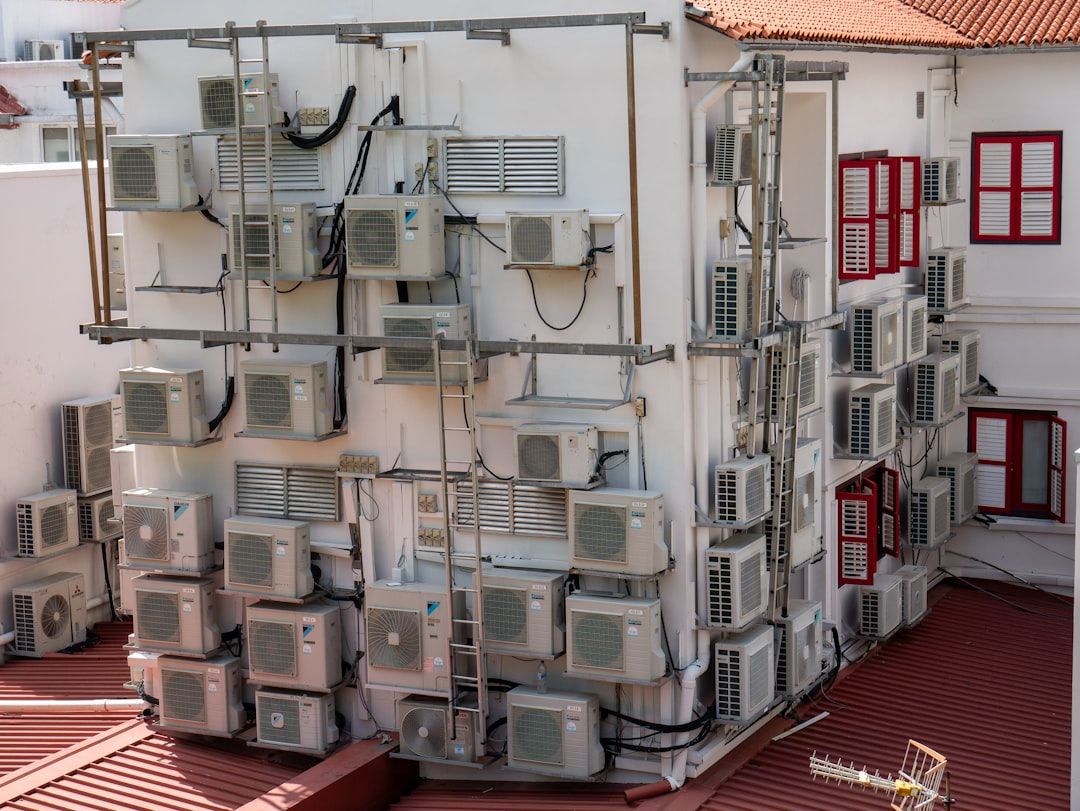
Discover which home appliances hold up best in Arizona's brutal summers and what to look for before the heat hits 115°F.
When the Temperature Hits 115°F, Not Every Appliance Keeps Up
Arizona summers aren't just uncomfortable — they're genuinely punishing on home appliances. When ambient temperatures in your garage or utility room are pushing 110°F before noon, machines that work fine in Minnesota or Georgia start struggling in ways most people don't expect. Over the years working in Phoenix and Tucson area homes, I've seen brand-new refrigerators fail in June, washing machines overheat mid-cycle, and HVAC units quit right when a family needed them most. The good news is that with the right choices upfront, you can avoid most of those headaches.
Refrigerators: The Appliance Most Likely to Fail in Summer
The refrigerator is the first casualty in Arizona heat, especially if it's located in a garage. Most standard refrigerators are rated to operate in ambient temperatures between 60°F and 95°F. Put one in a garage that hits 110°F, and the compressor has to work non-stop just to keep the interior at 38°F. That sustained overwork shortens the compressor's life dramatically — sometimes within just one or two seasons.
What to Look For
If you're placing a refrigerator in a garage or a laundry room that gets direct afternoon sun, look specifically for models rated for high ambient temperatures. Some manufacturers, like Gladiator and certain Frigidaire lines, offer garage-ready refrigerators designed to handle temperatures up to 110°F or even 120°F. These aren't just marketing labels — the internal components and insulation are actually built differently. In many homes, we see people buy a basic model from a big box store and wonder why it dies before the warranty runs out. The model rating matters more than the brand name in this climate.
HVAC Systems: Sized Right or It Won't Survive
An undersized air conditioning unit in Arizona isn't just inefficient — it runs continuously and burns out. I've been in homes where a 2-ton unit was installed in a 2,000 square foot house with poor insulation and west-facing windows. By July, the system was running 24 hours a day and the homeowner was looking at a failed compressor by August.
For Arizona homes, proper Manual J load calculations aren't optional. You need a system sized for your actual square footage, ceiling height, insulation rating, and sun exposure. Two-stage or variable-speed compressors also hold up better over time because they don't cycle on and off under full load constantly. They modulate. That saves wear and tear when your system is essentially running as a full-time job from May through September.
Don't Ignore the Condenser Location
One detail people consistently overlook: where the outdoor condenser unit sits. A unit on the west or south side of a home, baking in direct afternoon sun, can see ambient temperatures 15 to 20 degrees higher than one on the north side in shade. That difference has a real impact on efficiency and longevity. If you're installing a new system, talk to your technician about placement — it's one of those decisions that's easy to get right upfront and painful to fix later.
Washing Machines and Water Heaters in the Heat
Washing machines in Arizona garages face a similar problem to refrigerators — heat stress on motors and electronics. Front-load washers with variable-speed motors tend to handle heat better than older top-loaders with direct-drive systems. But honestly, the bigger issue is water temperature. In Arizona summers, the cold water line coming into your home can reach 90°F or higher. That means your washing machine's "cold wash" cycle is actually running warm water, which can affect certain fabrics and cleaning performance.
Water he


