
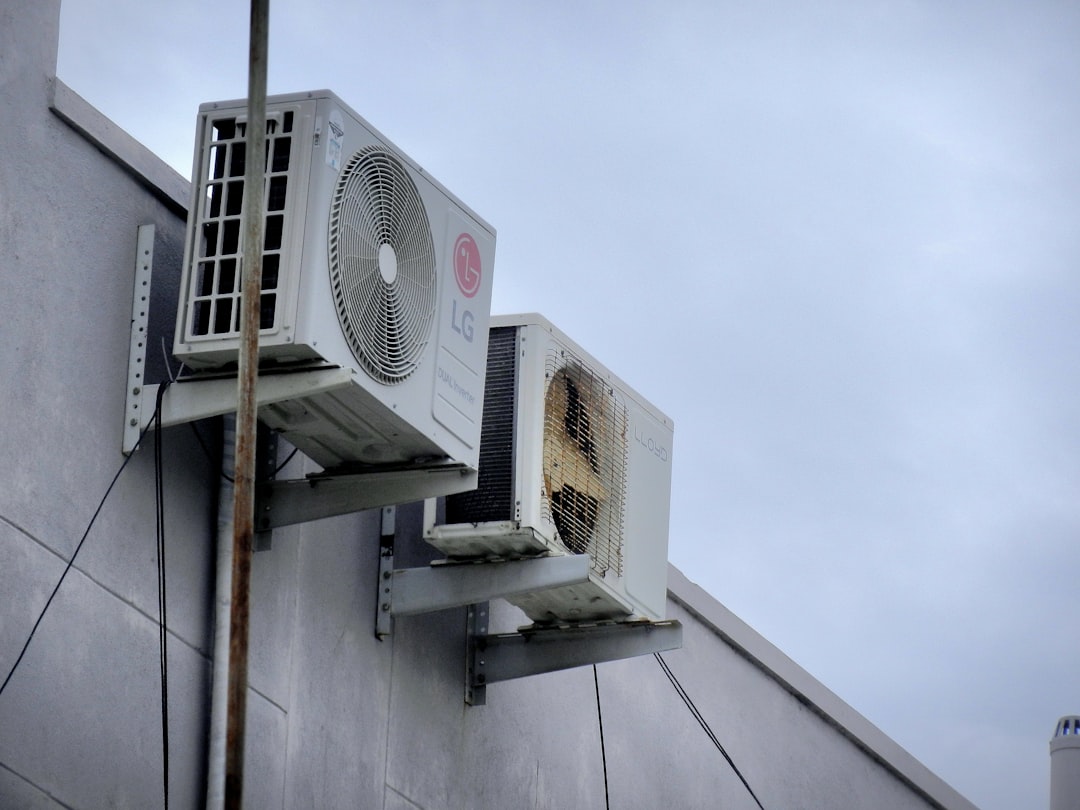
AC unit not turning on? Learn the most common causes and fixes, from tripped breakers to dirty filters, with expert tips from real HVAC technicians.
When Your AC Won't Turn On, Start Here Before Calling Anyone
It's the middle of July, the house is getting stuffy, and you go to check the thermostat only to realize your AC isn't running at all. No hum, no airflow, nothing. Before you pick up the phone and schedule an emergency service call, there are several things you can check yourself that might save you a couple hundred dollars. Some of these issues are surprisingly simple to fix, while others point to something more serious that genuinely needs a professional.
Check the Obvious Stuff First
This sounds basic, but in many homes, we see the problem traced right back to the thermostat settings. Someone bumped it to "heat" or "fan only," or the display is blank because the batteries are dead. Swap out the batteries, set the mode to "cool," and make sure the temperature is set at least 3 to 5 degrees below the current room temperature. A lot of service calls turn out to be exactly this.
Also check whether your air handler or furnace door is fully closed. Many systems have a safety switch on the panel door — if it's even slightly ajar, the whole system won't operate. It's a small thing, but it gets overlooked constantly.
Tripped Breaker or Blown Fuse
If the thermostat looks fine, head to your electrical panel. AC systems typically run on a dedicated double-pole breaker, usually 30 to 60 amps depending on the unit. If it's tripped, it'll be sitting in the middle position rather than fully on or off. Reset it firmly by switching it all the way off first, then back on.
Here's something important though — if that breaker trips again within a few minutes of resetting it, do not keep resetting it. A breaker that keeps tripping is telling you there's an electrical fault, possibly a failing capacitor, a short in the wiring, or a compressor that's drawing too much current. At that point, you need an HVAC technician.
Also check the disconnect box near your outdoor condenser unit. It's usually a grey or grey-and-black box mounted on the wall nearby. Open it up and look for a pull-out fuse block. Some of these fuses do blow, especially after a power surge, and replacing them is a straightforward fix if you're comfortable working around electricity.
The Capacitor Is a Very Common Culprit
One scenario we run into regularly: the outdoor unit hums but doesn't actually spin up. You can hear it trying, but nothing happens. That's almost always a bad start or run capacitor. The capacitor gives the compressor and fan motor the initial boost they need to get going. When it fails, the motor just sits there humming under load until the breaker trips or the thermal overload cuts it off.
Capacitors are relatively inexpensive parts, usually between $10 and $30, but replacing one involves discharging stored electricity safely before handling it. If you're not experienced with this, it's better to have a technician handle it.
Dirty Filter Causing Shutdown
A severely clogged air filter can cause the system's evaporator coil to freeze over, and once that happens, the unit may shut itself down completely as a safety measure. Pull your filter and hold it up to light — if you can't see through it at all, it's overdue for a change. After replacing the filter, turn the system to fan-only mode for 30 to 60 minutes to let the coil thaw before switching back to cooling mode.
When It's Time to Call a Pro
If you've checked all of the above and the unit still won't start, the issue


