
Find out why your AC runs nonstop without cooling your home and what you can do to fix it fast before energy bills spike.
When Your Air Conditioner Never Stops But the House Stays Warm
There's nothing more frustrating than hearing your air conditioner hum away all afternoon, only to walk inside and still feel stuffy and warm. It's one of the most common calls we get during summer — "my AC is running but it's not cooling." The unit isn't broken in an obvious way. It's just working overtime and getting nowhere. That usually means something specific is wrong, and catching it early can save you a lot on your next energy bill and prevent a full system breakdown.
The Most Likely Culprits
A Clogged Air Filter
This is the first thing any technician will check, and it's the issue homeowners overlook most often. When the air filter is clogged with dust and debris, airflow through the system is severely restricted. The AC keeps running because it never reaches the set temperature — it simply can't move enough air to do the job. In many homes, we see filters that haven't been changed in six months or more, sometimes completely gray and blocked solid. A dirty filter doesn't just hurt cooling performance. It puts serious strain on the blower motor and can eventually freeze up the evaporator coil. Check your filter first. If it's been more than 30–60 days, change it before calling anyone.
Low Refrigerant or a Refrigerant Leak
Refrigerant is the substance that actually absorbs heat from your indoor air. If the level drops — usually because of a slow leak somewhere in the line — the system loses its ability to transfer heat effectively. The compressor keeps cycling, the fan keeps blowing, but the air coming out just isn't cold enough. You might notice ice forming on the copper lines near the air handler, or a faint hissing sound near the outdoor unit. These are signs of a refrigerant problem. This isn't a DIY fix. Refrigerant handling requires EPA certification, and adding more without finding the leak is just a temporary patch. A licensed HVAC technician needs to locate the leak, repair it, and recharge the system properly.
A Dirty or Blocked Condenser Unit
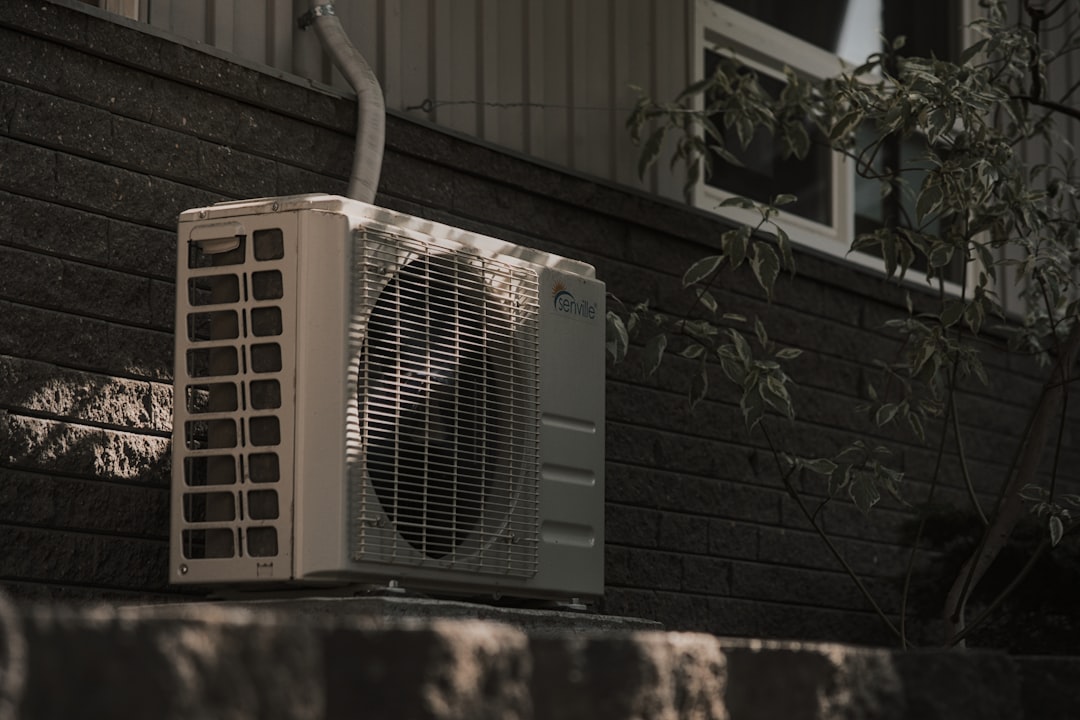
The outdoor condenser unit is responsible for releasing the heat your system pulls from inside your home. If it's surrounded by overgrown shrubs, caked in dirt, or has debris lodged in the fins, it can't dissipate heat efficiently. The system ends up working harder with less output. A real example: a homeowner in a suburban neighborhood had their unit practically buried behind a hedge. The AC ran nonstop all July. Once the area was cleared and the coil cleaned, temperatures inside dropped within hours. Keep at least two feet of clearance around your condenser, and have the coil cleaned annually as part of your maintenance routine.
An Undersized System or an Aging Unit
Sometimes the issue isn't a malfunction — it's a mismatch. If your AC was never properly sized for your home, it will run continuously without ever catching up, especially on days above 95°F. Similarly, an AC unit that's 12 to 15 years old may simply be losing efficiency year by year. The compressor wears down, coils degrade, and the system can no longer perform the way it once did. In these cases, constant running is a sign that the system is near the end of its useful life. An energy audit or a load calculation from an HVAC professional can tell you whether you're dealing with an aging system or a sizing problem.
What You Should Do Right Now
Before calling for service, take a few minutes to rule out the simple causes. These steps won't fix every problem, but they eliminate the most common ones quickly and can sometimes resolve the issue entirely without a service call.
1. Check and replace your air filter if it's dirty or overdue.
2


