
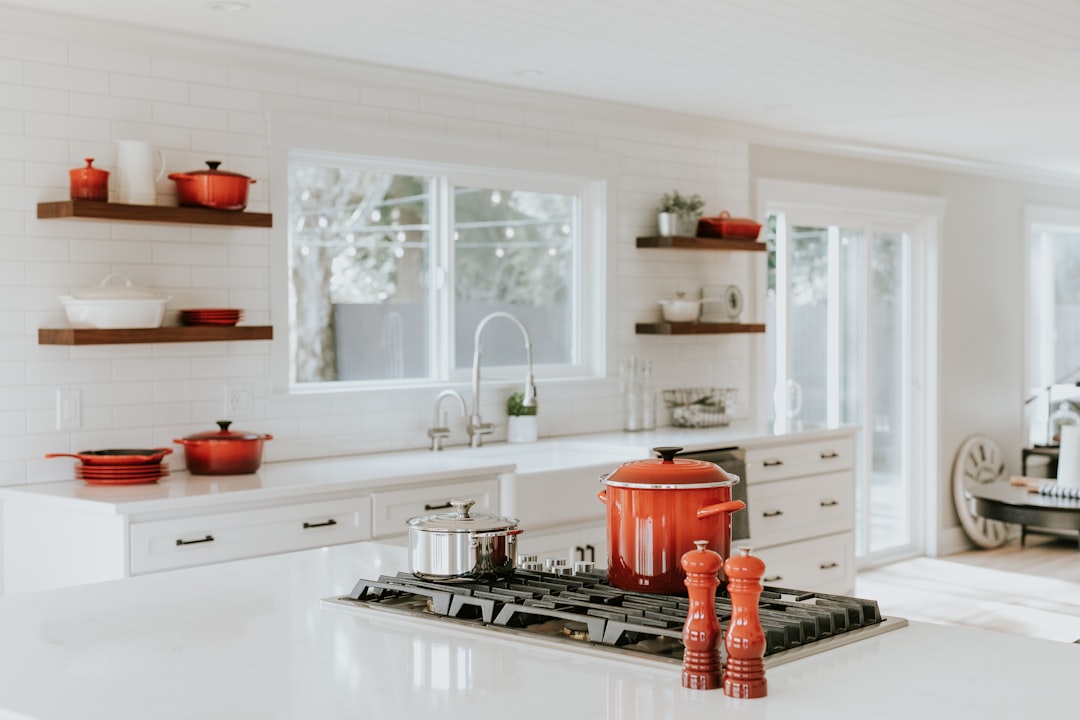
Thinking about buying a new kitchen gadget? Learn which 5 popular appliances Americans regret most and how to avoid wasting money.
When the Hype Doesn't Match the Reality
Every year, millions of Americans buy kitchen gadgets with the best intentions — faster meals, healthier eating, less cleanup. But a few months later, many of those same gadgets are sitting in a cabinet collecting dust or taking up valuable counter space. Having worked in home kitchens across the country, I've seen the same five appliances come up again and again as purchases people genuinely wish they'd skipped.
1. The Countertop Air Fryer (Oversized Version)
Air fryers themselves aren't bad — but the oversized countertop models often are. The appeal is obvious: crispy food with less oil sounds great. The problem is that most households don't need a unit the size of a small microwave. In many homes, we see these large air fryers pushed to the corner or stored in a lower cabinet because they simply take up too much space and heat up the kitchen uncomfortably during warmer months.
A family of two buying a 7-quart air fryer is one of the most common mistakes we encounter. A compact 3 to 4-quart model does the same job and fits comfortably on a standard counter. If you already own a convection oven, you likely don't need an air fryer at all — the function is nearly identical.
2. Single-Use Egg Cookers
These devices promise perfectly cooked eggs every time. In reality, most people use them twice and then go back to boiling water on the stove. The core issue is that egg cookers handle one task with no flexibility. If you prefer your eggs a certain way that doesn't fit the device's settings, you're stuck. A basic saucepan gives you full control and takes the same amount of time once you've done it a few times.
What People Overlook
Most egg cookers are also frustrating to clean. The cooking plate has small ridges and grooves that trap residue, and many models are not dishwasher safe. That extra cleanup time cancels out the supposed convenience almost immediately.
3. The Spiralizer
Spiralizers had a major moment when low-carb diets became popular. The idea of turning zucchini into noodles seemed like a game-changer. But in practice, most people spiralize vegetables two or three times and then stop entirely. The device requires firm produce, specific prep work, and produces more food than most households eat in one sitting.
One homeowner I spoke with said she bought a spiralizer during a health kick, used it for a week, and then realized she was spending 20 minutes prepping what she could buy pre-spiralized at the grocery store for a couple of dollars. That's a scenario I hear constantly.
4. Electric Can Openers
This one surprises people, but electric can openers are among the most commonly regretted small appliances in American kitchens. They're slow, they break down within a year or two of regular use, and they take up permanent counter or cabinet space. A quality manual can opener costs under fifteen dollars, lasts a decade with basic care, and works just as fast once you're used to it.
In many homes, we see electric can openers that have stopped working sitting on counters simply because no one has gotten around to throwing them out. The motor tends to wear out unevenly, especially when used on larger cans.
5. Juicers (Centrifugal Models)
Fresh juice at home sounds appealing, but centrifugal juicers come with real drawbacks. They're loud, they produce a significant amount of waste, and cleanup can take longer than the juicing itself. The pulp collector fills up quickly, the mesh


