
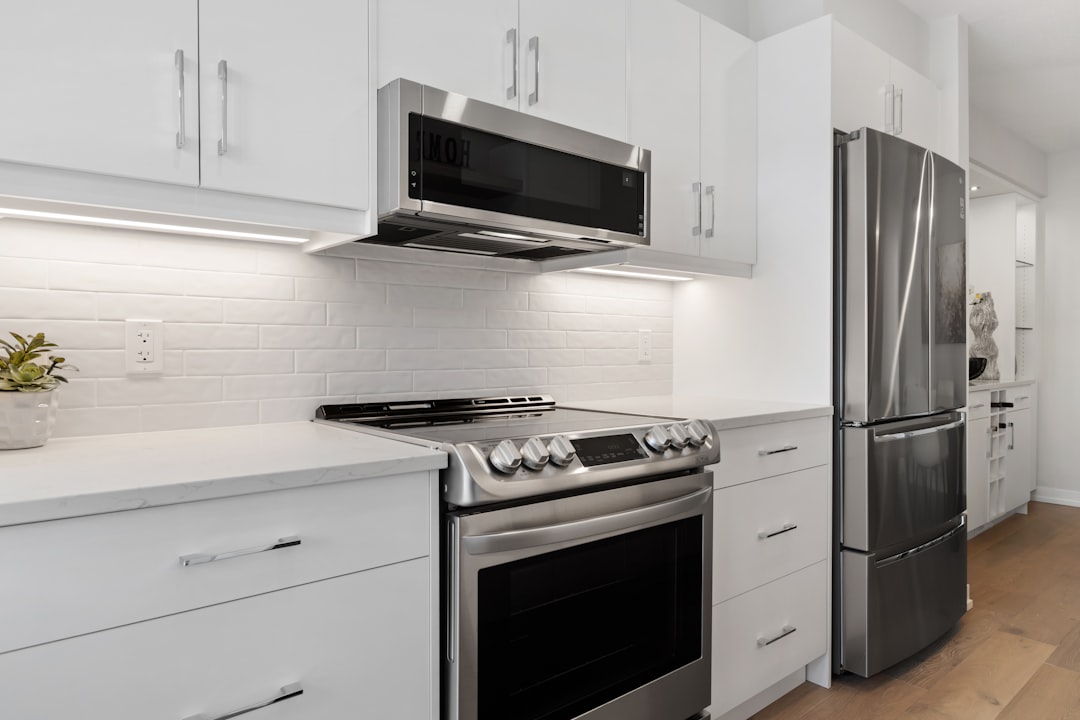
Thinking about buying used appliances? Learn which 5 you should always buy new to avoid costly repairs, safety risks, and hidden damage.
Think Twice Before Buying These Appliances Secondhand
Buying used appliances can feel like a smart financial move — and sometimes it genuinely is. A gently used microwave or a lightly worn stand mixer? Usually fine. But certain appliances carry hidden risks that simply aren't worth the savings. After years of working on home systems and seeing the aftermath of bad secondhand purchases firsthand, there are five appliances I always tell homeowners to buy new, no exceptions.
1. Clothes Dryers
This one keeps me up at night, honestly. Dryers are the leading cause of home fires related to appliances, and a used dryer brings with it an unknown maintenance history. The lint trap is the obvious concern, but most people overlook the exhaust duct inside the machine itself — years of built-up lint deep in the drum housing is nearly invisible during a quick inspection. In many homes, we see dryers that look perfectly clean on the outside but have serious lint accumulation around the heating element. One short circuit and you've got a fire starting inside your wall cavity. If you do end up with a used dryer, have a technician inspect it thoroughly before the first use.
2. Refrigerators Over 10 Years Old
A refrigerator might run for 15 or even 20 years, but the compressor and refrigerant lines have a shorter effective lifespan than most people realize. When someone sells a fridge that's still "working fine," what they often mean is that it's still cold — not that it's running efficiently. We've seen older units running continuously just to maintain temperature, driving up electricity bills by $30 to $60 a month compared to a modern Energy Star model. Beyond cost, older refrigerators often used refrigerants like R-22 that are now phased out, making repairs expensive or impossible. A used fridge that dies two months in costs you double what you saved.
3. Washing Machines with Unknown Drum History
Front-load washers especially develop mold and mildew inside the drum seal that is nearly impossible to fully eliminate once established. A seller might wipe down the gasket before showing it, but the odor — and the health concern — returns quickly. Top-load machines carry their own risk: worn bearings create a grinding or thumping sound during the spin cycle that signals expensive internal damage. A real-life example: a family bought a used front-loader for $150, spent another $200 on cleaning products and a new gasket seal, and ultimately replaced the machine six months later. New entry-level washers start around $400 and come with a manufacturer warranty. Do the math.
4. Dishwashers
Dishwashers are another appliance where the damage hides in plain sight — or rather, behind closed panels. The pump, spray arms, and water inlet valve all degrade over time, and a unit that "runs fine" might still have a slow internal leak dripping onto your subfloor every cycle. Water damage to hardwood or particle board subfloors is one of the most expensive home repairs you can face. In many homes, we see dishwasher leaks that went undetected for months because the water travels along the underside of the floor before showing up elsewhere. It's also worth noting that older dishwashers use significantly more water per cycle than current models.
5. Water Heaters
Nobody sells a working water heater unless they're remodeling or upgrading — and even then, you inherit their maintenance neglect. Sediment builds up inside the tank over time, reducing efficiency and corroding the tank lining from the inside. The anode rod, which protects the tank from rust, typically needs replacement every few years. Most homeowners never do it. A used water heater with an exhausted anode rod can fail within a year, and a


